一宪政与法治至上
法律高于权力。任何权力都必须受到宪法约束、接受监督,司法保持独立——这是现代国家区别于皇权时代的根本标志。

团队徽章深蓝为底、金环为界:白龙腾跃,古装同仁高举和平鸽蓝旗,远望天坛——以文化为载体,以和平为方式。
团队官网 · OFFICIAL WEBSITE
中国古装运动——中国的“非暴力不合作”运动
发起人兼总裁:赵燕涛 Allen Zhao
中国古装运动发起人·中国古装运动策划团队总裁·中国民主党党员·中国民主人权联盟成员·中国议会传播部成员
ABOUT
赵燕涛(Allen Zhao),中国古装运动发起人、中国古装运动策划团队总裁,中国民主党党员,中国民主人权联盟成员(Member of the China Democracy and Human Rights Alliance),中国议会传播部成员,现居美国洛杉矶。他活跃于洛杉矶六四纪念馆、中国领事馆前等公共活动场合,并在中国议会与中国民主党洛杉矶委员会的平台上持续发表演讲与政论文章。
他的写作围绕一个核心问题展开:中国如何走出几千年“胜者为王、败者遭殃”的权力循环,建立一个权力受约束、公民有尊严的现代制度。他主张宪政与法治至上,认为民主不只是选票,更要有能代表人民、监督权力、依法议事的议会;他坚持以和平、理性、非暴力的方式推动转型,呼吁以对话代替对抗、以民族和解代替政治清算,并为执政者与反对者共同设计“安全退出”的制度出路。
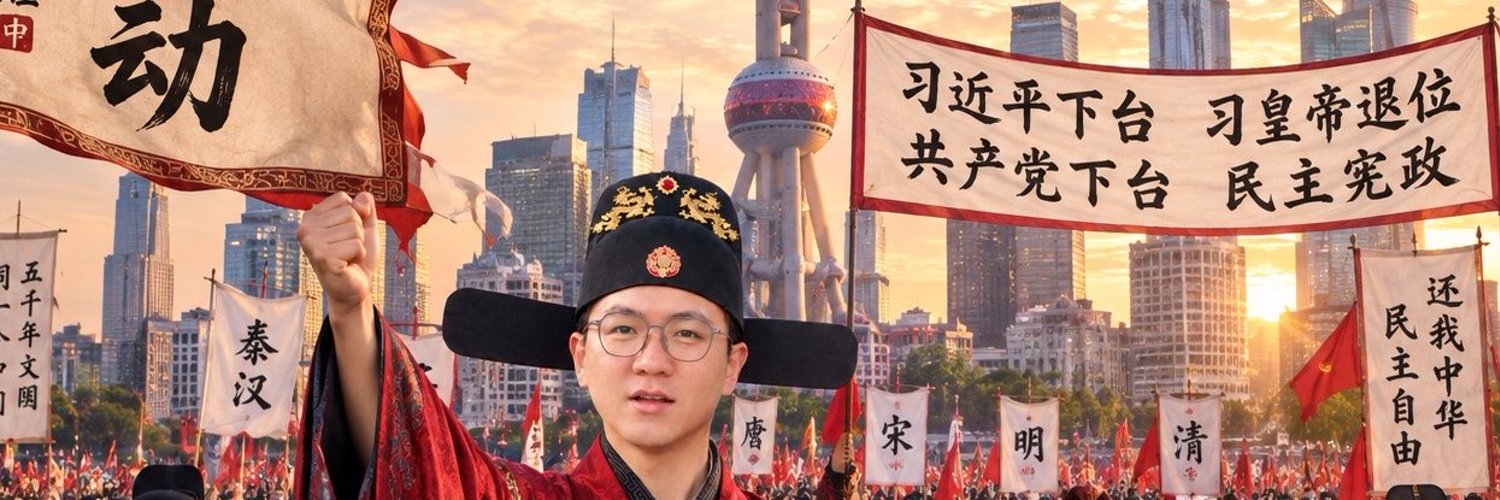
2026年,他发起「古装运动」:号召人们穿上汉服、唐装、宋制、明制等中国古代服装走上街头、上班、上学——以人人可参与的日常行动,和平地表达对终身制的拒绝。在他看来,穿古装不是复古,而是表态:拒绝再当臣民,立志做公民。
综合其全部二十三篇文章提炼 · POLITICAL THOUGHT
法律高于权力。任何权力都必须受到宪法约束、接受监督,司法保持独立——这是现代国家区别于皇权时代的根本标志。
民主不只是拥有选票,更要拥有能够代表人民、监督权力、依法议事的议会。不同的声音公开讨论、协商形成共识;每一位公民都拥有平等表达、平等参与、平等竞争的机会。议会属于全体人民,不属于任何政党或领袖。
以对话而非对抗、以和平转型而非暴力与仇恨推动变革。正如刘晓波所言“我没有敌人,也没有仇恨”——主张民族和解,不以推翻或羞辱任何人为前提。
独裁者不敢放权,源于对失去权力后遭清算的恐惧。出路是建立让执政者敢于下台、反对者敢于参选、军队国家化、司法不作报复工具的制度:政治失败不等于人生失败,失去权力不等于失去安全。由此终结政治清洗的循环。
反对终身制,反对“家天下”式的权力代际传递——政治资本通过红色家族与关系网络传递,会形成事实上的世袭与政治贵族。政治职位不是家族资产,天下是公共之天下。
依靠恐惧、压制与清洗维持的秩序侵蚀人与人之间的信任,扼杀社会的生机与创造力。真正的稳定,只能建立在尊重人权与规则的基础之上。
保障言论与表达自由、生育自主权与女性尊严。计划生育与重男轻女叠加造成的代际心理创伤不应被遗忘:女性不是生育工具,人的价值不由性别决定。
以人人可参与的穿古装日常行动作为和平政治表达:一个人穿是个人选择,一群人穿是公民行动,持续地穿,是对终身制最安静、也最刺眼的否定。
中共的长臂管辖与跨境打压,把恐惧延伸到海外,威胁流亡与海外民运人士的自由与安全。捍卫海外异见者在自由土地上表达、集会与活动的权利,是民主世界不可退让的底线。
反对以“统一”之名推行的强制同化。文化多样性是社会活力的源泉;不同民族、不同群体的语言、信仰与文化身份应当受到尊重,而不是被专制权力抹除。
中共恐惧宗教自由,根源是世界观的冲突:无神论唯物主义否定神、灵魂与超越物质的真理,使权力可以自封为真理、以物质控制人心;它还要改造宗教本身,让党代替神的位置。而真正的信仰让人明白:党不是神,政权不是真理,人的尊严来自神而不是政府的恩赐。争取宗教自由,就是争取人认识真相的权利、良心不被政党改造的权利。真理高于权力,真理终将显明,谎言终将破产。(据《中共对宇宙真相的恐惧》,2026年10月17日)
中国古装运动借鉴并致敬甘地的“非暴力不合作”:以服装为最直观的政治符号;坚持绝对非暴力——不主张暴力、不鼓励武装冲突,不希望普通人为政治目标付出生命代价;把政治表达带进日常生活,降低参与的门槛与风险,人人可参与、处处可表达,在数字时代唤醒公民意识。中国古装运动,就是中国的“非暴力不合作”运动。(据《中国古装运动——中国的“非暴力不合作”运动》,2026年10月17日)
一个容不下质疑的政权,其权威不是建立在信任之上,而是建立在恐惧之上。政治恐惧最值得警惕之处,在于它不仅压制已经发出的声音,还让尚未说出口的声音提前消失——当人们因害怕惩罚而保持沉默,沉默不再意味着认同,而意味着恐惧。文明政治的基础,从来不是要求所有人拥有完全相同的思想,而是承认差异,并通过法律、制度、公开辩论与和平竞争解决分歧。政府不是不可质疑的神,政党也不是凌驾于人民之上的主人;政治权力必须回答人民的问题:权力究竟来自哪里,谁来监督掌握权力的人,执政者犯下错误时人民能否公开指出并要求其承担责任。一个政权的真正力量,不在于它能够让多少人闭嘴,而在于它是否有勇气面对质疑、承认错误,并接受人民的监督。(据《一个容不下质疑的政权:告别政治恐怖,重生文明政治》,2026年10月18日)
團隊徽章深藍爲底、金環爲界:白龍騰躍,古裝同仁高舉和平鴿藍旗,遠望天壇——以文化爲載體,以和平爲方式。
團隊官網 · OFFICIAL WEBSITE
中國古裝運動——中國的“非暴力不合作”運動
發起人兼總裁:趙燕濤 Allen Zhao
中國古裝運動發起人·中國古裝運動策劃團隊總裁·中國民主黨黨員·中國民主人權聯盟成員·中國議會傳播部成員
ABOUT
趙燕濤(Allen Zhao),中國古裝運動發起人、中國古裝運動策劃團隊總裁,中國民主黨黨員,中國民主人權聯盟成員(Member of the China Democracy and Human Rights Alliance),中國議會傳播部成員,現居美國洛杉磯。他活躍於洛杉磯六四紀念館、中國領事館前等公共活動場合,並在中國議會與中國民主黨洛杉磯委員會的平臺上持續發表演講與政論文章。
他的寫作圍繞一個核心問題展開:中國如何走出幾千年“勝者爲王、敗者遭殃”的權力循環,建立一個權力受約束、公民有尊嚴的現代制度。他主張憲政與法治至上,認爲民主不只是選票,更要有能代表人民、監督權力、依法議事的議會;他堅持以和平、理性、非暴力的方式推動轉型,呼籲以對話代替對抗、以民族和解代替政治清算,併爲執政者與反對者共同設計“安全退出”的制度出路。
2026年,他發起「古裝運動」:號召人們穿上漢服、唐裝、宋制、明制等中國古代服裝走上街頭、上班、上學——以人人可參與的日常行動,和平地表達對終身制的拒絕。在他看來,穿古裝不是復古,而是表態:拒絕再當臣民,立志做公民。
綜合其全部二十三篇文章提煉 · POLITICAL THOUGHT
法律高於權力。任何權力都必須受到憲法約束、接受監督,司法保持獨立——這是現代國家區別於皇權時代的根本標誌。
民主不只是擁有選票,更要擁有能夠代表人民、監督權力、依法議事的議會。不同的聲音公開討論、協商形成共識;每一位公民都擁有平等表達、平等參與、平等競爭的機會。議會屬於全體人民,不屬於任何政黨或領袖。
以對話而非對抗、以和平轉型而非暴力與仇恨推動變革。正如劉曉波所言“我沒有敵人,也沒有仇恨”——主張民族和解,不以推翻或羞辱任何人爲前提。
獨裁者不敢放權,源於對失去權力後遭清算的恐懼。出路是建立讓執政者敢於下臺、反對者敢於參選、軍隊國家化、司法不作報復工具的制度:政治失敗不等於人生失敗,失去權力不等於失去安全。由此終結政治清洗的循環。
反對終身制,反對“家天下”式的權力代際傳遞——政治資本通過紅色家族與關係網絡傳遞,會形成事實上的世襲與政治貴族。政治職位不是家族資產,天下是公共之天下。
依靠恐懼、壓制與清洗維持的秩序侵蝕人與人之間的信任,扼殺社會的生機與創造力。真正的穩定,只能建立在尊重人權與規則的基礎之上。
保障言論與表達自由、生育自主權與女性尊嚴。計劃生育與重男輕女疊加造成的代際心理創傷不應被遺忘:女性不是生育工具,人的價值不由性別決定。
以人人可參與的穿古裝日常行動作爲和平政治表達:一個人穿是個人選擇,一羣人穿是公民行動,持續地穿,是對終身制最安靜、也最刺眼的否定。
中共的長臂管轄與跨境打壓,把恐懼延伸到海外,威脅流亡與海外民運人士的自由與安全。捍衛海外異見者在自由土地上表達、集會與活動的權利,是民主世界不可退讓的底線。
反對以“統一”之名推行的強制同化。文化多樣性是社會活力的源泉;不同民族、不同羣體的語言、信仰與文化身份應當受到尊重,而不是被專制權力抹除。
中共恐懼宗教自由,根源是世界觀的衝突:無神論唯物主義否定神、靈魂與超越物質的真理,使權力可以自封爲真理、以物質控制人心;它還要改造宗教本身,讓黨代替神的位置。而真正的信仰讓人明白:黨不是神,政權不是真理,人的尊嚴來自神而不是政府的恩賜。爭取宗教自由,就是爭取人認識真相的權利、良心不被政黨改造的權利。真理高於權力,真理終將顯明,謊言終將破產。(據《中共對宇宙真相的恐懼》,2026年10月17日)
中國古裝運動借鑑並致敬甘地的“非暴力不合作”:以服裝爲最直觀的政治符號;堅持絕對非暴力——不主張暴力、不鼓勵武裝衝突,不希望普通人爲政治目標付出生命代價;把政治表達帶進日常生活,降低參與的門檻與風險,人人可參與、處處可表達,在數字時代喚醒公民意識。中國古裝運動,就是中國的“非暴力不合作”運動。(據《中國古裝運動——中國的“非暴力不合作”運動》,2026年10月17日)
一個容不下質疑的政權,其權威不是建立在信任之上,而是建立在恐懼之上。政治恐懼最值得警惕之處,在於它不僅壓制已經發出的聲音,還讓尚未說出口的聲音提前消失——當人們因害怕懲罰而保持沉默,沉默不再意味着認同,而意味着恐懼。文明政治的基礎,從來不是要求所有人擁有完全相同的思想,而是承認差異,並通過法律、制度、公開辯論與和平競爭解決分歧。政府不是不可質疑的神,政黨也不是凌駕於人民之上的主人;政治權力必須回答人民的問題:權力究竟來自哪裏,誰來監督掌握權力的人,執政者犯下錯誤時人民能否公開指出並要求其承擔責任。一個政權的真正力量,不在於它能夠讓多少人閉嘴,而在於它是否有勇氣面對質疑、承認錯誤,並接受人民的監督。(據《一個容不下質疑的政權:告別政治恐怖,重生文明政治》,2026年10月18日)
Team EmblemDeep blue ringed in gold: a white dragon rises as teammates in traditional dress raise the blue peace-dove flag before the Temple of Heaven — culture as the vehicle, peace as the method.
OFFICIAL WEBSITE · 团队官网
The Chinese Traditional Costume Movement — China's "Nonviolent Non-Cooperation" Movement
Founder & President: Allen Zhao 赵燕涛
Founder of the Chinese Traditional Costume Movement·President of the Chinese Traditional Costume Movement Planning Team·Member of the China Democracy Party·Member of the China Democracy and Human Rights Alliance·Member of the Communications Department of the China Congress
ABOUT
Allen Zhao (赵燕涛 Zhao Yantao) is the founder of the Chinese Traditional Costume Movement and President of the Chinese Traditional Costume Movement Planning Team. He is a member of the China Democracy Party, a member of the China Democracy and Human Rights Alliance, and a member of the Communications Department of the China Congress. He now lives in Los Angeles, California. Active at public venues such as the June 4th Museum in Los Angeles and in front of the Chinese Consulate, he regularly publishes speeches and political essays on the platforms of the China Congress and the Los Angeles Committee of the China Democracy Party.
His writing revolves around one central question: how can China escape the millennia-old cycle of power in which “the winner rules and the loser suffers,” and build a modern system in which power is constrained and citizens have dignity? He upholds the supremacy of constitutionalism and the rule of law, holding that democracy is more than ballots — it requires a parliament that can represent the people, supervise those in power, and deliberate according to law. He insists on peaceful, rational, nonviolent change, calling for dialogue instead of confrontation and national reconciliation instead of political purges, and for jointly designing a “safe exit” for rulers and opponents alike.
In 2026, he launched the “Traditional Costume Movement”: calling on people to wear hanfu, Tang suits, and Song- and Ming-style garments — ancient Chinese dress — in the streets, at work, and at school: an everyday action open to everyone, peacefully expressing a refusal of lifetime rule. In his view, wearing traditional costume is not nostalgia; it is a statement: refuse to remain a subject; resolve to be a citizen.
Distilled from all twenty-three of his published articles · POLITICAL THOUGHT
The law stands above power. All power must be constrained by the constitution and subject to oversight, and the judiciary must remain independent — this is the fundamental mark that distinguishes a modern state from the age of imperial rule.
Democracy is more than holding a ballot; it requires a parliament that represents the people, supervises power, and deliberates according to law. Different voices debate openly and form consensus through consultation, and every citizen has an equal opportunity to express, to participate, and to compete. Parliament belongs to all the people — not to any party or leader.
Change through dialogue rather than confrontation, through peaceful transition rather than violence and hatred. As Liu Xiaobo said, “I have no enemies, and no hatred” — advocating national reconciliation that is not premised on toppling or humiliating anyone.
Dictators dare not relinquish power because they fear retribution once they lose it. The way out is a system in which rulers dare to step down, opponents dare to run for office, the military belongs to the nation, and the judiciary is never an instrument of revenge: political defeat does not mean personal ruin, and losing power does not mean losing safety. Only then can the cycle of political purges end.
Against lifetime rule, and against the “family realm” style of intergenerational power transfer: political capital passed down through red families and networks of connections creates de facto hereditary rule and a political aristocracy. Political office is not a family asset; the country belongs to the public.
An order maintained by fear, suppression, and purges corrodes the trust between people and stifles a society's vitality and creativity. Genuine stability can only be built on a foundation of respect for human rights and for rules.
Protect freedom of speech and expression, reproductive autonomy, and the dignity of women. The intergenerational psychological trauma left by the family-planning policy compounded by son preference must not be forgotten: women are not childbearing tools, and a person's worth is not determined by gender.
The everyday act of wearing traditional costume, open to everyone, as peaceful political expression: one person wearing it is a personal choice; a group wearing it is civic action; wearing it persistently is the quietest — and most striking — repudiation of lifetime rule.
The CCP's long-arm jurisdiction and cross-border suppression extend fear overseas, threatening the freedom and safety of exiled and overseas pro-democracy activists. Defending the right of overseas dissidents to express themselves, assemble, and organize on free soil is a bottom line the democratic world must not surrender.
Against forced assimilation carried out in the name of “unity.” Cultural diversity is a source of social vitality; the languages, faiths, and cultural identities of different ethnic groups and communities deserve respect, not erasure by authoritarian power.
The CCP's fear of religious freedom is, at root, a clash of worldviews: atheist materialism denies God, the soul, and any truth beyond matter, so that power can crown itself as truth and rule hearts through material control; it even seeks to remake religion itself, putting the Party in the place of God. True faith teaches the opposite: the Party is not God, political power is not truth, and human dignity comes from God, not from a government's favor. To fight for religious freedom is to fight for the right to know the truth and for a conscience no party may remake. Truth stands above power; in the end truth will be revealed and lies will collapse. (From "The CCP's Fear of the Truth of the Universe," October 17, 2026.)
The Chinese Traditional Costume Movement draws on and pays tribute to Gandhi's nonviolent non-cooperation: clothing as the most direct political symbol; an absolute commitment to nonviolence - no violence, no armed conflict, and no ordinary person asked to pay with their life for a political goal; and political expression woven into everyday life, lowering the threshold and the risk so that anyone can take part, anywhere, awakening civic consciousness in the digital age. The Chinese Traditional Costume Movement is China's "nonviolent non-cooperation" movement. (See "The Chinese Traditional Costume Movement - China's 'Nonviolent Non-Cooperation' Movement," October 17, 2026.)
A regime that tolerates no questioning builds its authority not on trust, but on fear. The deepest danger of political fear is that it silences not only the voices already raised, but also the voices not yet spoken - when people remain silent for fear of punishment, silence no longer means consent; it means fear. Civilized politics is not founded on everyone holding identical views, but on acknowledging differences and resolving them through law, institutions, open debate and peaceful competition. A government is not a god beyond questioning, and a party is not a master above the people; political power must answer the people's questions: where does power come from, who supervises those who hold it, and when rulers make mistakes, can the people point them out openly and demand accountability? A regime's true strength lies not in how many people it can silence, but in whether it has the courage to face questioning, admit mistakes and accept the people's supervision. (From "A Regime That Tolerates No Questioning: Farewell to Political Terror, Rebirth of Civilized Politics," October 18, 2026)